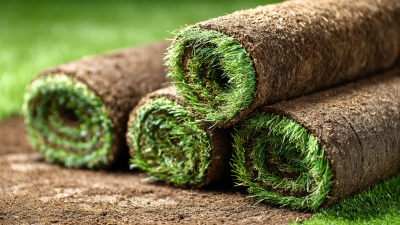
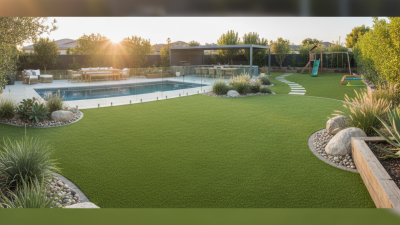
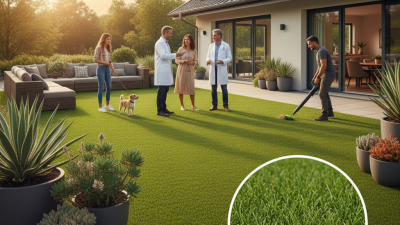
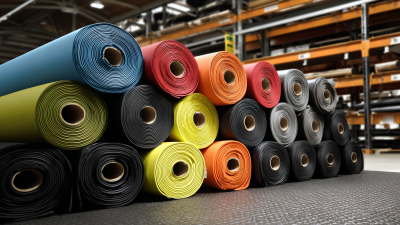
When it comes to landscaping and sports facilities, choosing the right Artificial Turf Rollcan really make a difference—both in how things look and how well they work. Honestly, navigating all the options out there in 2026 can feel pretty overwhelming, right? This guide is here to help out, especially if you're a buyer from anywhere around the world trying to get a handle on what's available. With so many folks wanting Synthetic Grass these days, it’s super important to know what to look for.
When you're picking an Artificial Turf Roll, don’t forget to pay attention to the differences in quality, color, and texture. Each product has its own story—depending on what it's made of and how it’s installed. Sure, brands like TurfCo and FieldTurf are pretty popular and trusted, but honestly, with so many options, making a choice can be a real head-scratcher.
Getting it right can really upgrade your space, but it’s also worth thinking about your specific needs and even the environmental impact. Not every roll of artificial turf is perfect for every situation. So, it’s worth taking some time to do your research and really consider your options. And hey, remember—sometimes, the most expensive doesn’t always mean the best fit. Striking a good balance between quality, price, and what you actually need is usually the way to go for a more sustainable and satisfying choice.
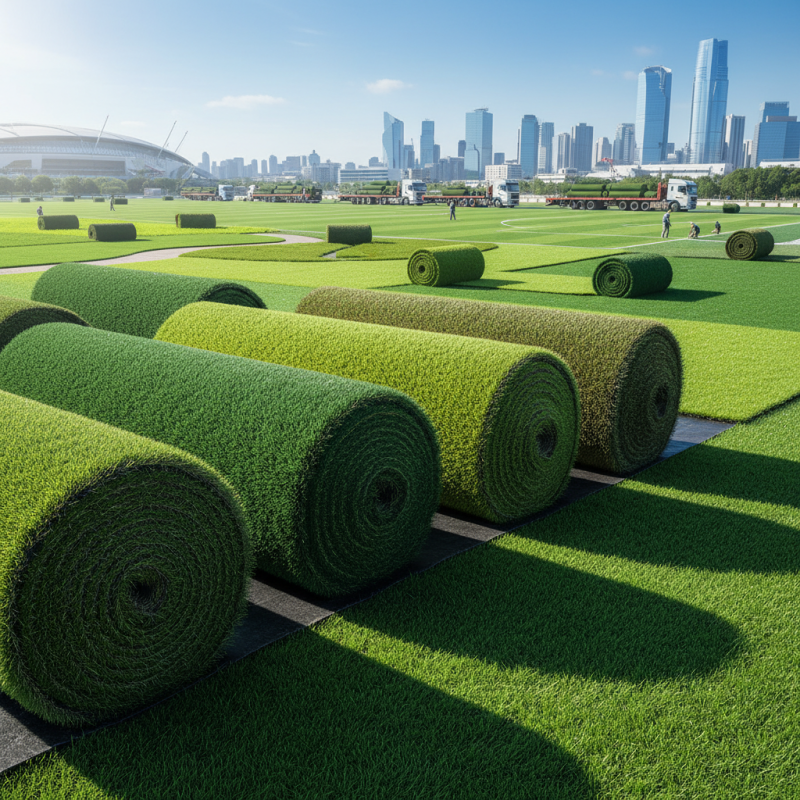
Understanding Artificial Turf: Benefits and Applications
Artificial Turf is gaining traction for various applications. According to industry reports, the global artificial turf market is projected to reach USD 3.5 billion by 2026. This growth stems from the increasing demand for maintenance-free landscaping and sports surfaces. Over 90% of users appreciate the durability of synthetic grass, which withstands heavy usage.
The benefits of artificial turf are numerous. It requires minimal water, essential in regions facing drought. Studies show that lawns made from artificial turf save up to 55 gallons of water per square foot each year. Additionally, these surfaces are allergen-free, making them ideal for families with allergies. However, some users report concerns about heat retention in warmer months. They question how hot the surface can become under direct sunlight, which remains an ongoing debate.
Artificial turf offers flexibility in design and functionality. It is used in various settings, from sports fields to residential gardens. The material is safe for pets and children, but attention is needed regarding the infill materials used. Understanding the right type of artificial turf and its components is crucial for making an informed decision.
Types of Artificial Turf Rolls: A Comprehensive Overview
When exploring types of artificial Turf Rolls, understandingmaterial options is essential. There are two primary types: nylon and polyethylene. Nylon turf is known for its durability. It withstands heavy foot traffic well. This makes it ideal for sports fields and playgrounds. However, it tends to be more expensive. Polyethylene, on the other hand, offers a softer feel. Many homeowners prefer it for lawns and landscaping. It mimics natural grass effectively.
Thickness is another key factor. Thicker rolls can provide better cushioning and realism. They often look lush and vibrant, enhancing any landscape. But they might require special installations. Consider the height of the blades too. Taller blades create a more authentic look but can trap dirt and debris. Maintenance becomes a challenge in this case.
Keep in mind the infill options while choosing Artificial Turf Grass. Infill materials can impact performance and longevity. Sand and rubber are common choices. Each has its advantages and drawbacks. Some infills can lead to overheating, particularly in sunny climates. It’s vital to assess your needs and local climate conditions. Reflecting on these factors can ensure a more satisfactory investment in artificial turf rolls.
Key Factors to Consider When Buying Artificial Turf
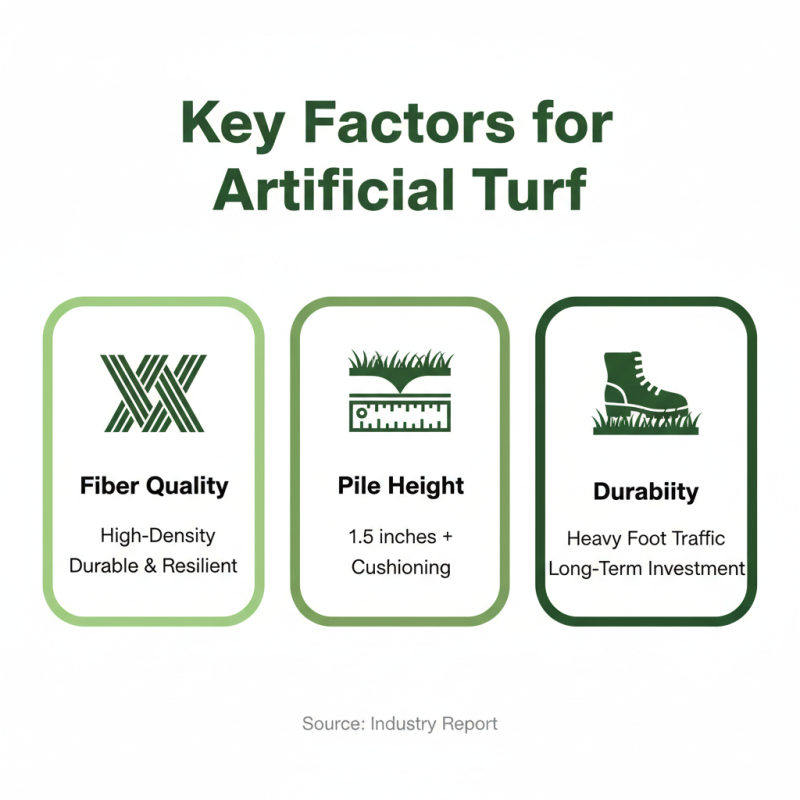
When considering artificial turf, several key factors emerge. First, the quality of the fibers is crucial. High-density fibers tend to be more durable and can withstand heavy foot traffic. A recent industry report noted that turf with a pile height of 1.5 inches or more offers better cushioning and resilience. Durability is important for a long-term investment, especially in high-use areas.
Another factor is the backing material, which affects water drainage and stability. A strong perforated backing helps in preventing water pooling, ensuring that the turf remains in good condition. According to the Sports Turf Managers Association, proper drainage reduces maintenance costs significantly over time. This is an aspect that many buyers overlook, leading to potentially costly repairs.
Tips: Look for certification marks. They indicate the turf meets safety and environmental standards. Moreover, consider the infill material as it impacts performance and longevity. Make sure it suits your specific climate and use case. Overall, thorough research and evaluation of materials can lead to a better purchasing decision. Don't rush this process; assess your specific needs carefully.
Assessing Quality: Standards and Certifications for Turf Rolls
When evaluating artificial turf rolls, quality is paramount. Standards and certifications play a crucial role in ensuring durability and safety. Look for certifications like the Environmental Protection Agency (EPA) guidelines. They help confirm that the materials used are safe for both human health and the environment.
Different countries have various quality assessments. Some may have strict standards, while others might lack thorough evaluation. This inconsistency can be frustrating for buyers. Therefore, it's essential to identify reputable sources that provide authentic certifications. Reviews from experts can also guide purchasing decisions.
Another crucial aspect is understanding how materials affect performance. The turf's fibers, backing, and infill can impact longevity. An Artificial Turf Carpet made with high-quality materials will often result in a better play experience. Inform yourself about the manufacturing process as well. Knowledge truly empowers buyers to make informed choices that enhance satisfaction in the long run.
Price Range and Budgeting for Artificial Turf Purchases
When considering artificial turf, budgeting is essential. The price per square foot can vary significantly. It generally falls between $2 and $10. Factors like quality, thickness, and type of turf greatly affect this range. Higher-quality options often come with a steeper price tag.
It's crucial to outline your budget before making a purchase. A clear financial plan helps avoid overspending. Consider not only the initial cost but also long-term maintenance expenses. Sometimes, cheaper options lead to costly repairs down the road. Reflecting on past purchases can reveal valuable lessons in quality versus cost.
Beyond costs, think about the specific needs of your project. Are you installing turf for sports, landscaping, or pets? Each application may require different types of materials. This influences the overall price. It can be tempting to go for the cheapest option. However, investing more initially can save money in the long run.
Installation Tips for Artificial Turf: DIY vs Professional Help
Installing artificial turf can transform any space, but deciding between DIY and hiring professionals is crucial. A report by the Synthetic Turf Council states that almost 70% of homeowners choose to install turf themselves, primarily to save costs. However, this option can lead to unclear results if not done correctly.
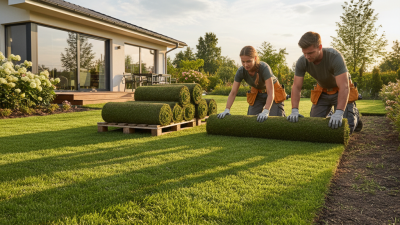
DIY installation requires meticulous planning. Begin by preparing the ground—remove grass and debris. Ensure proper drainage to prevent water pooling. A compacted base is essential for durability. The average cost of DIY installations is around $4 to $6 per square foot, depending on materials. Despite the savings, 30% of DIYers later hire professionals due to installation errors.
Professional installers bring expertise and efficiency. They typically charge between $6 and $10 per square foot, which includes materials. Their experience minimizes long-term issues like uneven surfaces or drainage problems. Always check references and previous work to ensure quality.
Tips for DIY installers: Use a strong adhesive for seams. Double-check measurements to avoid waste. Consider the long-term maintenance of your Artificial Turf Gym Flooring, ensuring it meets your needs for activity and aesthetics. With careful planning, you can achieve excellent results, whether you install it yourself or seek professional help.
2026 Top Artificial Turf Roll Installation Costs
Maintenance Best Practices for Long-lasting Artificial Turf
When it comes to maintaining artificial turf, best practices are essential for longevity. According to industry reports, proper maintenance can extend the life of turf by up to 15 years. Regular cleaning removes dirt and debris but also helps keep the fibers standing upright. This is crucial for aesthetics and performance.
One effective tip is to use a broom with synthetic bristles. This will gently lift the fibers without damaging them. A thorough cleaning once a month, or more frequently if the area sees heavy usage, is advisable. Professionals recommend using a power blower to clear leaves and other large debris, ensuring your turf remains inviting and functional.
Regular infill top-ups also play a vital role in turf maintenance. This helps maintain the correct pile height and provides cushion underfoot. According to a 2022 study, maintaining adequate infill levels can reduce wear and tear significantly. It’s also important to monitor for any signs of fading or discoloration, as this may indicate underlying issues. Keeping an eye on these details will help you reflect on the overall health of your turf.
Transform Your Space: The Ultimate Guide to Choosing Heavy Duty Commercial Rubber Flooring for Gyms
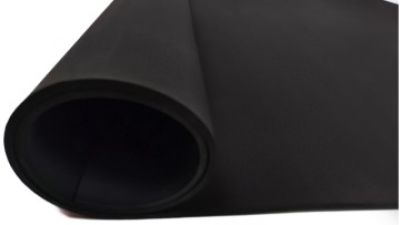
When transforming a gym space, selecting the right flooring is crucial for both functionality and aesthetics. Heavy-duty commercial rubber flooring, such as the Base Style Rubber Roll, not only offers a robust solution but also ensures a visually appealing environment. This flooring is composed of 40-mesh recycled SBR tire granules, blended with 15% EPDM chips, providing exceptional durability and a vibrant look with colorful speckles against a classic black background.
In addition to its attractive design, the Base Style Rubber Roll boasts remarkable performance features. Available in various thicknesses ranging from 4mm to 20mm, it caters to different usage requirements while delivering reliable traction and shock absorption. This flooring can withstand heavy loads and continuous high-intensity impact, making it an ideal choice for busy gym settings. The combination of resilience and versatility makes it not just a practical flooring option but also a stylish enhancement to any fitness facility.
FAQS
: Focus on fiber quality and durability. High-density fibers withstand heavy foot traffic effectively.
A pile height of 1.5 inches or more offers better cushioning and resilience for comfort.
Strong, perforated backing aids in water drainage and stability, preventing potential pooling issues.
Good drainage reduces long-term maintenance costs, keeping the turf in better condition over time.
DIY can save money but might lead to mistakes. Professionals ensure better quality and efficiency.
The cost averages between $4 to $6 per square foot, depending on materials used.
Many encounter installation errors that necessitate professional correction, leading to extra expenses.
Prepare the ground meticulously and ensure proper drainage. Use strong adhesive for seams.
Consider your specific climate and usage needs. It affects both performance and longevity.
Verify references and previous work quality to ensure a reliable choice for your project.
Conclusion
In the quest for selecting the perfect Artificial Turf Roll, buyers must first understand the numerous advantages and applications this modern landscaping solution offers. The article outlines the different types of artificial turf rolls available, providing a comprehensive overview that caters to varied needs. Key factors, such as material quality, durability, and aesthetic appeal, play a crucial role in making informed purchasing decisions.
Moreover, the guide emphasizes the importance of assessing quality through established standards and certifications, ensuring that buyers invest in a product that meets their requirements. It also covers essential budgeting tips and a realistic price range for artificial turf purchases, alongside installation advice that highlights the pros and cons of DIY versus professional installation. Finally, the article discusses maintenance best practices to extend the lifespan of your artificial turf, ensuring it remains a beautiful and functional addition to any space.